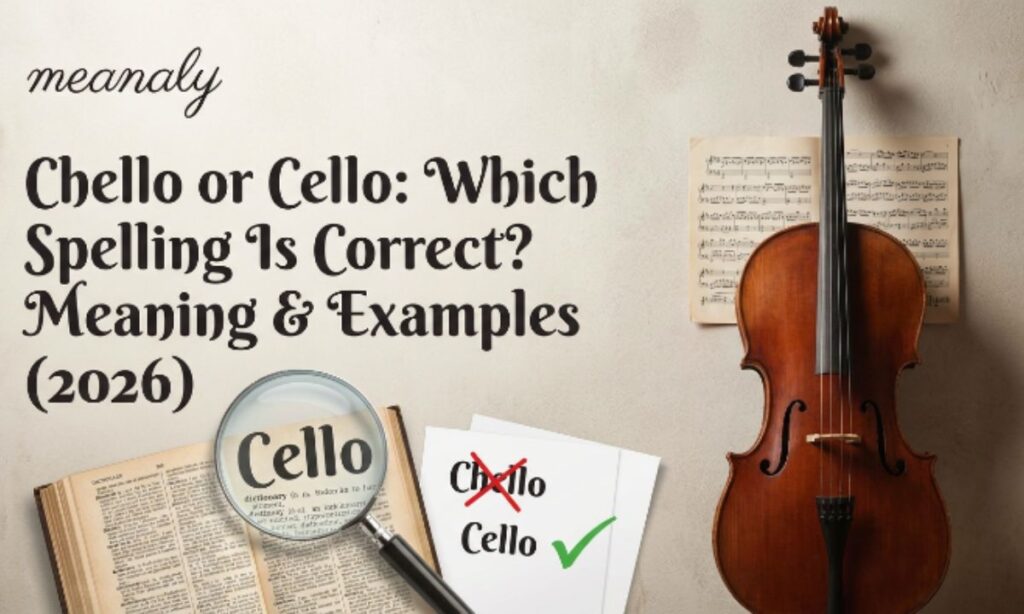
Typed “chello” into a search bar while looking up lessons or sheet music, and wondered if that “h” belongs there? You’re far from alone. Chello or cello is one of the most common spelling mixups in music, and it happens for a very understandable reason ; the word sounds exactly like it should have an “h” in it.
This guide gives you the quick answer first, then breaks down where the word comes from, how it’s pronounced, common mistakes, real examples, and everything else you need to spell it correctly from now on.
Chello or Cello :- Quick Answer
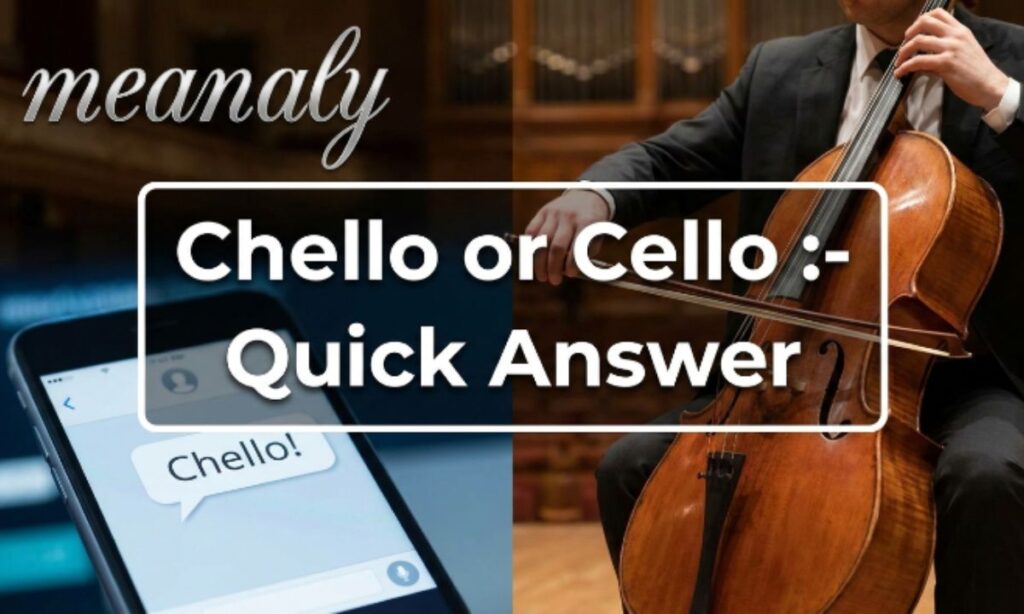
“Cello” is correct. “Chello” is a misspelling.
- ✅ She practices the cello every evening.
- ❌ She practices the chello every evening.
There’s no context ; musical, formal, or casual ; where “chello” is the accepted spelling for the instrument.
The Origin of Chello or Cello
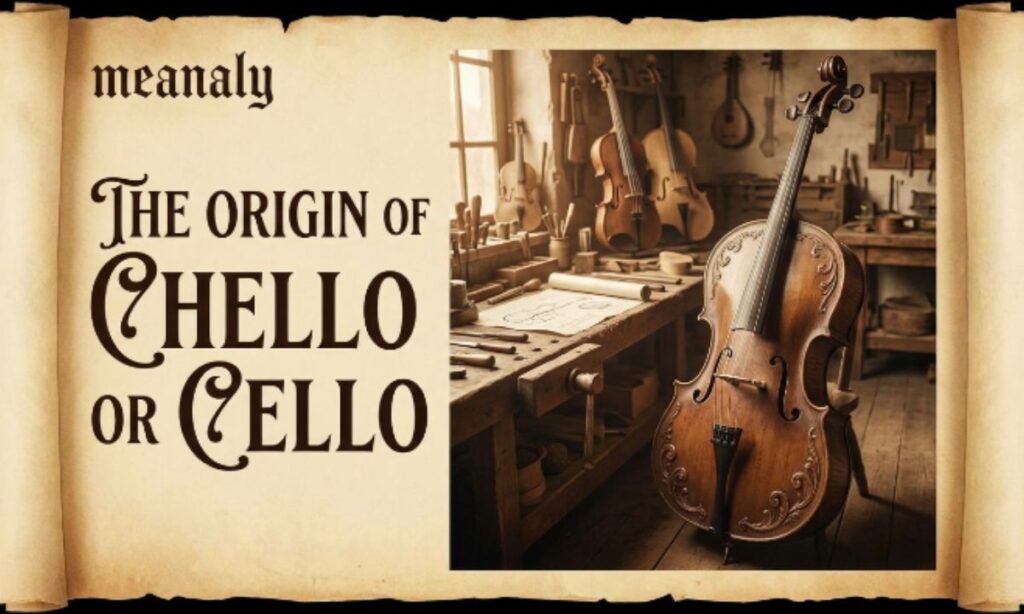
“Cello” is short for the Italian word violoncello, meaning “little violone” : violone being a large, low-pitched member of the viol family. English adopted the shortened form in the 19th century for convenience, and it kept the original Italian spelling rather than changing it to match English pronunciation habits.
That’s the key detail: the word was borrowed, not built from English sound rules, which is exactly why “cello” doesn’t follow the pattern English speakers might expect.
Chello or Cello Meaning
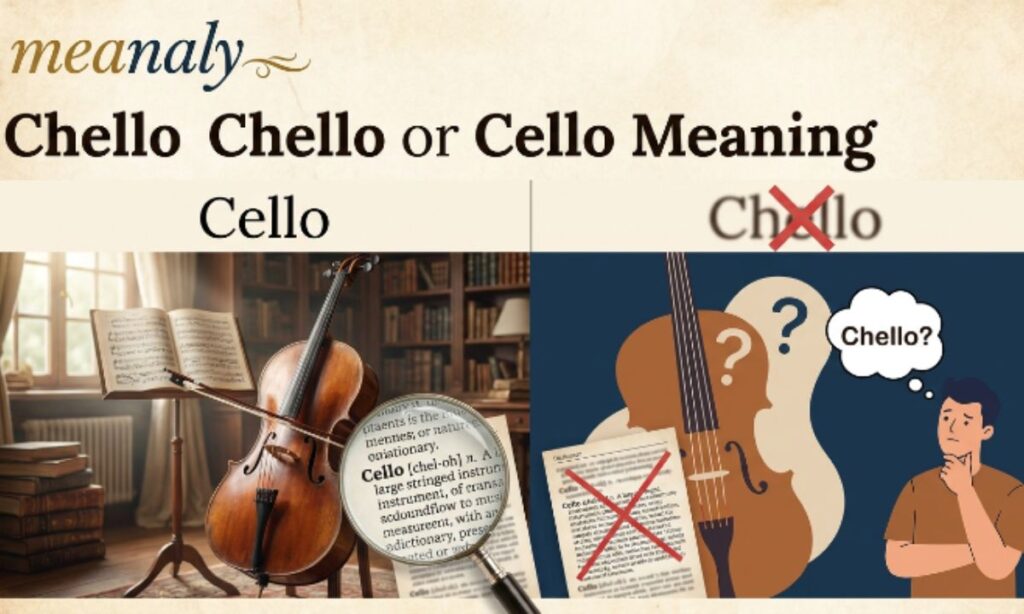
A cello is a large, bowed string instrument from the violin family : bigger than a violin or viola, but smaller than a double bass.
Musicians play it seated, resting it on the floor with an endpin, producing deep, warm, and expressive tones. It’s a core instrument in orchestras, chamber music, and classical performances.
Chello or Cello Images
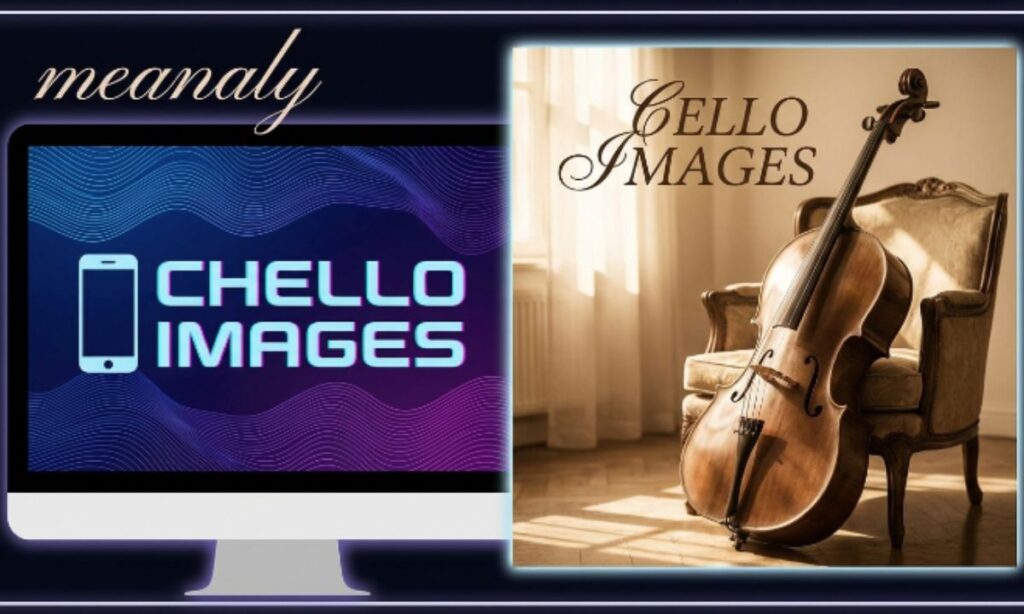
Picture a large wooden instrument shaped like an oversized violin, standing upright between a seated musician’s knees, with four strings and a long neck extending upward.
If you search for reference images online, always search “cello” ; searching “chello” may return unrelated results, including unrelated brands that happen to share the misspelled name.
Chello or Cello Pronunciation
“Cello” is pronounced CHEL-oh (/ˈtʃɛloʊ/). The “c” makes a soft “ch” sound here because, in Italian, “c” is pronounced “ch” when followed by an “e” or “i” ; the same pattern seen in words like “cappuccino.”
That’s exactly why so many people assume the English spelling should include an “h.”
British English vs American English Spelling
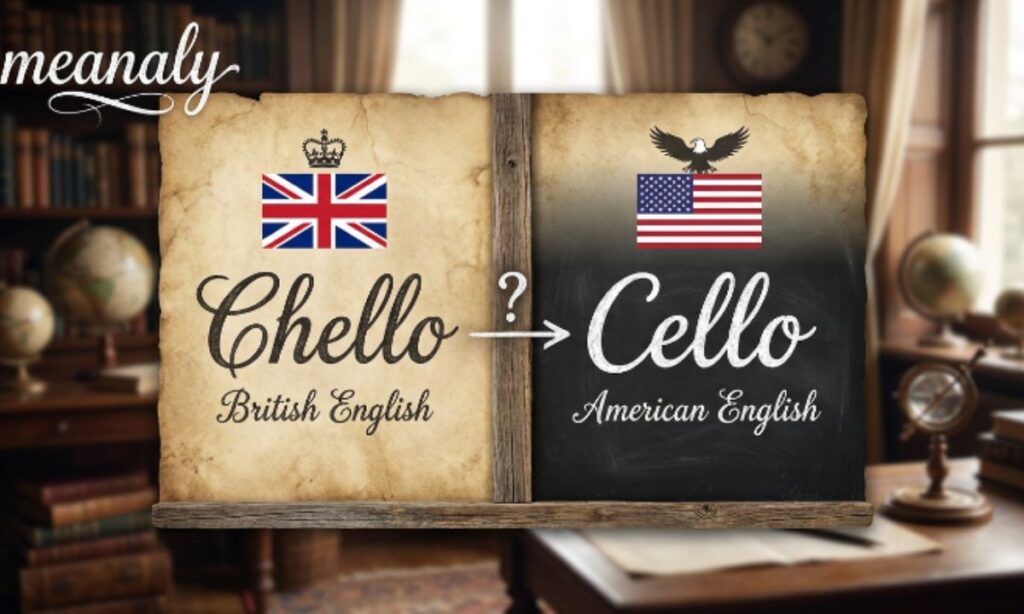
Some assume this might be a regional spelling split, similar to color/colour. It isn’t.
| Region | Correct Spelling |
| British English | Cello |
| American English | Cello |
| Any other English variant | Cello |
There is no regional variation ; “cello” is used the same way everywhere English is spoken.
Which Spelling Should You Use?
Always use “cello” when referring to the musical instrument. A simple way to remember it:
- The word came from Italian and kept its Italian spelling
- If you can swap the word with “violin,” “guitar,” or “piano” in a sentence, “cello” is the correct spelling to use
Common Mistakes with Chello or Cello
- Adding an “h” based on how the word sounds: chello instead of cello
- Confusing it with “sello,” a Spanish word meaning “I sell” or “he/she sells”
- Assuming “chello” is an accepted variant because it appears often in casual writing
- Mixing up “cello” with other string instruments like the viola or double bass
Chello or Cello in Everyday Examples
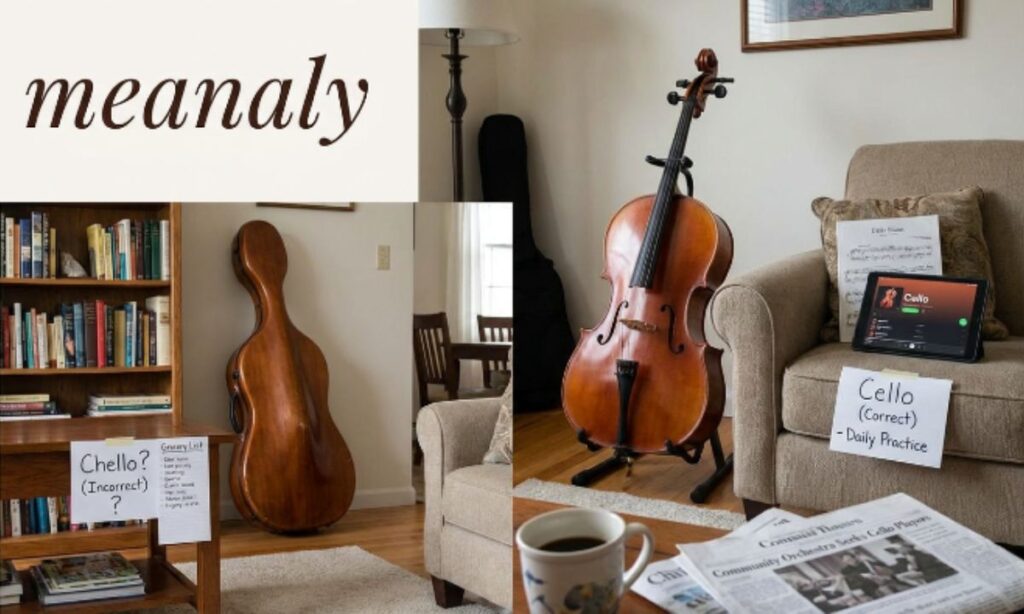
- She practices the cello every evening.
- The orchestra performed a beautiful cello solo.
- My brother recently bought a new cello.
- The cello has a rich, emotional tone.
- He’s taking cello lessons twice a week.
Chello or Cello :- Google Trends & Usage Data
A large share of the searches for “chello” come from people actively trying to confirm the spelling before buying an instrument, booking lessons, or writing about music ; a clear sign this is an informational search, not a genuine alternate spelling.
Despite frequent searches, “chello” has never appeared as a recognized spelling in any major English dictionary, and usage data consistently shows “cello” as the dominant, correct form.
Comparison Table: Chello vs Cello
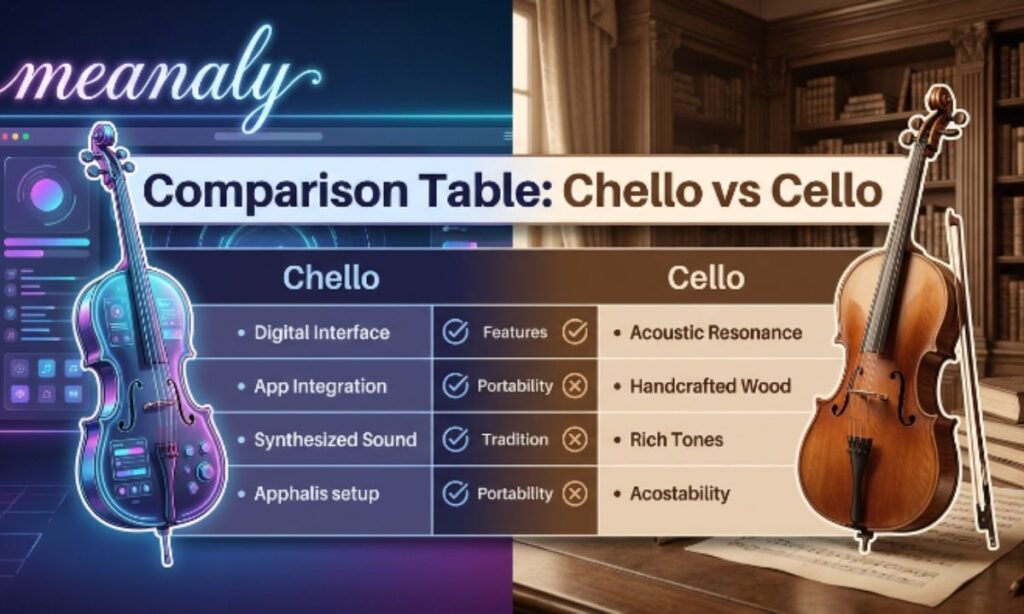
| Feature | Cello | Chello |
| Correct spelling | ✅ Yes | ❌ No |
| Found in dictionaries | ✅ Yes | ❌ No |
| Used in British English | ✅ Yes | ❌ No |
| Used in American English | ✅ Yes | ❌ No |
| Common pronunciation-based error | — | ✅ Yes |
Frequently Asked Questions
Best entry-level chello or cello brands for beginners
Popular beginner-friendly cello brands include Cecilio, Yamaha, and Cremona, known for durability and affordable pricing.
Correct spelling for the large orchestral string instrument
The correct spelling is “cello,” referring to the large bowed string instrument in the violin family.
Where to find beginner cello lessons locally?
Check local music schools, community colleges, or platforms like TakeLessons to find cello teachers near you.
Top-rated electric chello or cello models for modern musicians
Yamaha’s electric cello line and NS Design electric cellos are well-regarded for modern and amplified performances.
Reputable online stores for student cellos
Shar Music, Southwest Strings, and Amazon’s musical instrument section are trusted retailers for student cellos.
Differences between a chello and a cello in music stores
There is no real difference – “chello” is simply a misspelling; music stores only sell and list instruments under “cello.”
Cost of a quality entry-level cello outfit
A decent beginner cello outfit, including bow and case, typically ranges from $300 to $700 depending on brand and quality.
Conclusion
The rule here is short and permanent: it’s always “cello,” never “chello.” The spelling comes straight from the original Italian word, and it doesn’t change with pronunciation, region, or context.
Once that detail clicks, you’ll spell it correctly every time ; whether you’re searching for lessons, buying your first instrument, or writing about music.

Hi , I’m a language researcher and content writer with 6+ years of experience in word meanings, slang, abbreviations, and internet terminology. He writes clear, accurate, and easy-to-understand articles to help readers quickly find reliable definitions and understand modern language with confidence.