Typed “adress” into a form or email and seen a red underline pop up? You’re not alone. Address or adress is one of the most common spelling mixups in English, and it trips up native speakers and learners alike.
The confusion usually comes down to one missing letter – but that one letter can make your writing look careless in a resume, email, or official form. This guide gives you the quick answer first, then walks through the word’s origin, British vs American usage, common mistakes, real examples, and everything else you need to spell it correctly every single time.
Address or Adress : Quick Answer
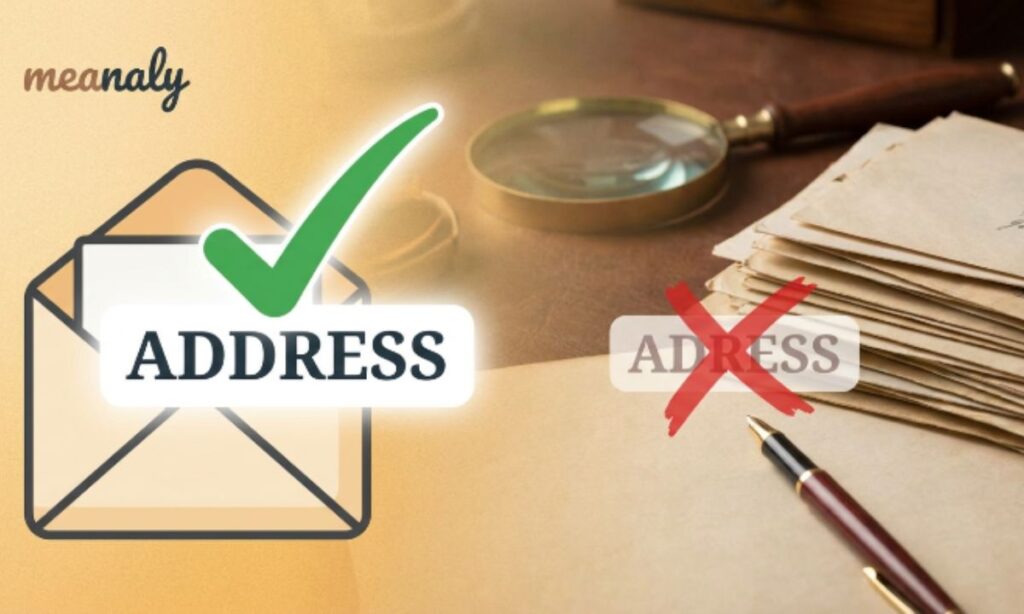
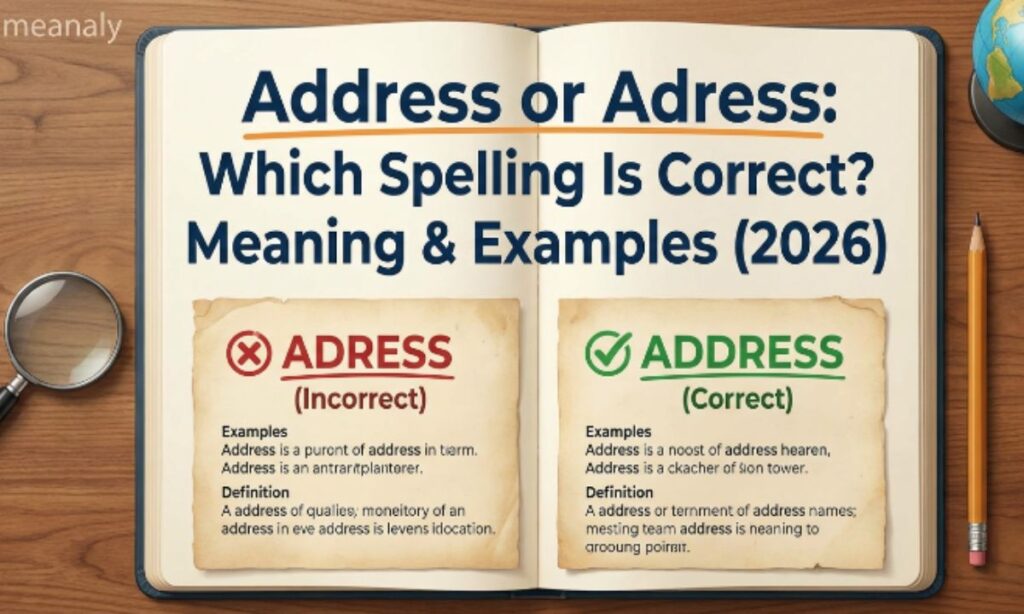
“Address” is correct. “Adress” is a misspelling.
- ✅ Please confirm your home address.
- ❌ Please confirm your home adress.
There’s no context : formal, casual, British, or American : where “adress” is the accepted spelling.
The Origin of Address or Adress
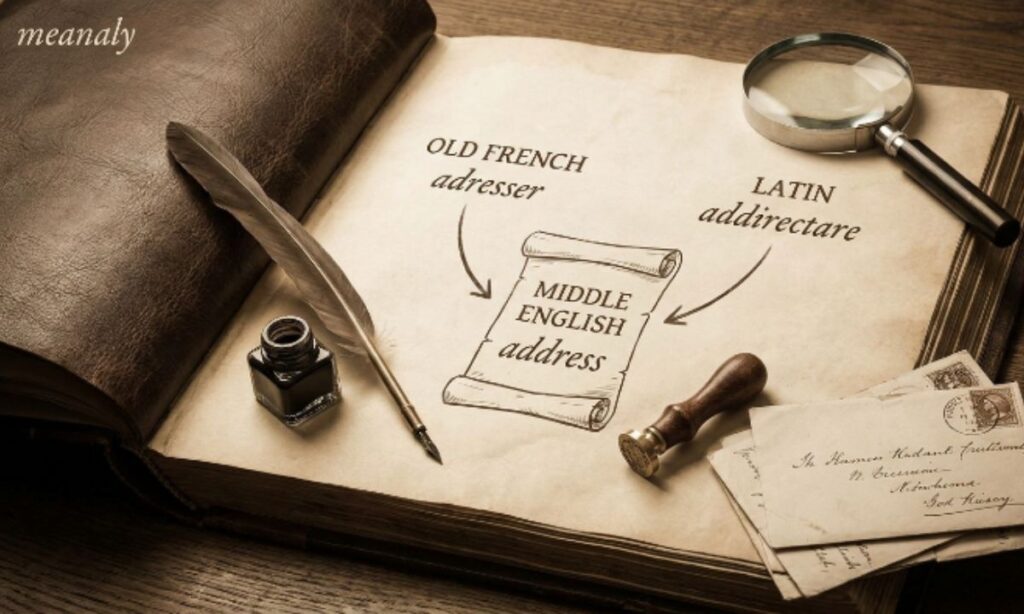
The word “address” comes from the Old French word adresser, meaning “to direct” or “to guide.” It entered Middle English and kept its double-letter structure as the spelling standardized over time.
The double “d” and double “s” reflect this historical French root — it’s not a random quirk. “Adress,” missing the second “d,” never became an accepted spelling; it’s simply a common typing slip that happens when people write quickly.
British English vs American English Spelling
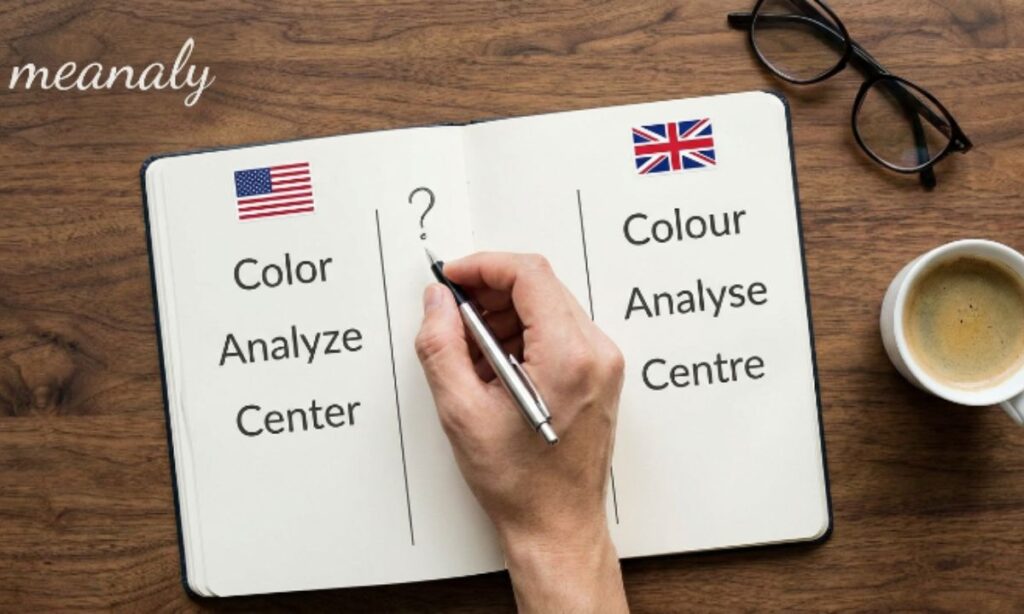
Unlike many English words that shift between British and American spelling (color/colour, organize/organise), “address” doesn’t change at all.
| Region | Correct Spelling |
| British English | Address |
| American English | Address |
| Any other English variant | Address |
This is not a regional spelling difference — “adress” is incorrect everywhere.
Which Spelling Should You Use?
Always use “address” – in emails, forms, resumes, texts, and everyday writing. A simple way to remember it:
- Add + Dress = Adddress → double “d”
- Think of “address” as two small words stuck together, which helps the double letters stick in memory
Common Mistakes with Address or Adress
- Dropping the second “d”: adress instead of address
- Autocorrect not catching it in casual texting apps
- Non-native English speakers translating from languages where the word only has one “d” (like French adresse or Spanish dirección-style shorter forms)
- Typing quickly without proofreading forms or emails
Address or Adress in Everyday Examples
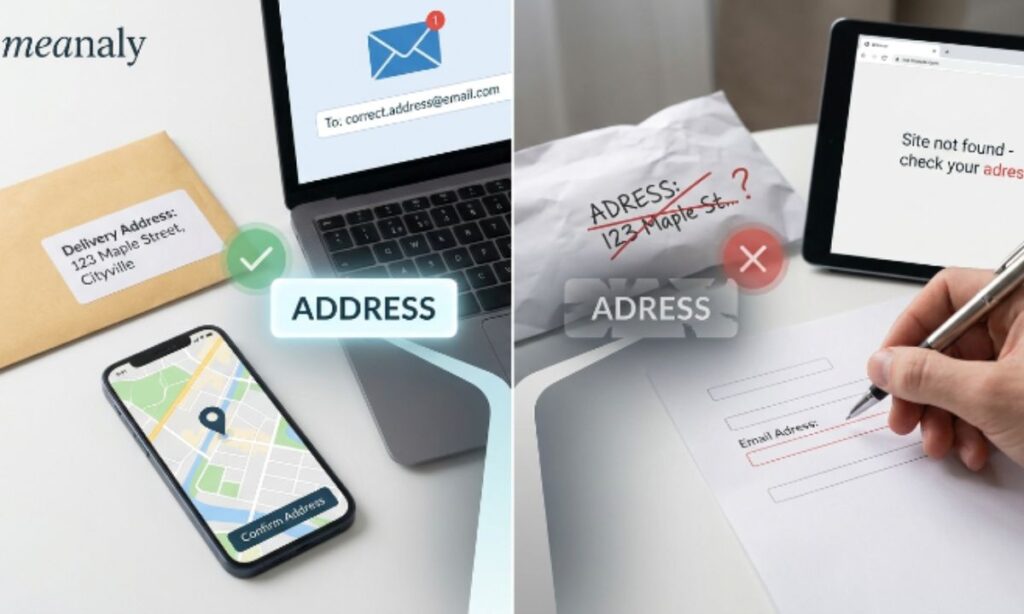
- Please write your address clearly on the form.
- Her home address is 123 Main Street.
- The manager will address the issue tomorrow.
- I need to update my billing address.
- The CEO will address shareholders at the meeting.
Address or Adress : Google Trends & Usage Data
Search behavior shows a large number of people typing “adress” into search engines specifically to check spelling — which is exactly why guides like this one exist.
Despite being a frequent search term, “adress” has never appeared in any standard English dictionary; it remains purely a misspelling pattern, not a recognized variant.
Comparison Table : Address vs Adress
| Feature | Address | Adress |
| Correct spelling | ✅ Yes | ❌ No |
| Found in dictionaries | ✅ Yes | ❌ No |
| Used in British English | ✅ Yes | ❌ No |
| Used in American English | ✅ Yes | ❌ No |
| Common in casual typing errors | — | ✅ Yes |
Addressed Meaning
“Addressed” is the past tense of “address.” It means a situation, question, or task was dealt with, or that something (like an envelope) was labeled with a destination.
- The complaint was addressed by customer support.
- She addressed the envelope before mailing it.
Street Address Example
A street address typically includes a house or building number, street name, city, state or region, and postal code:
123 Main Street, Springfield, IL 62701
Other Words for Address
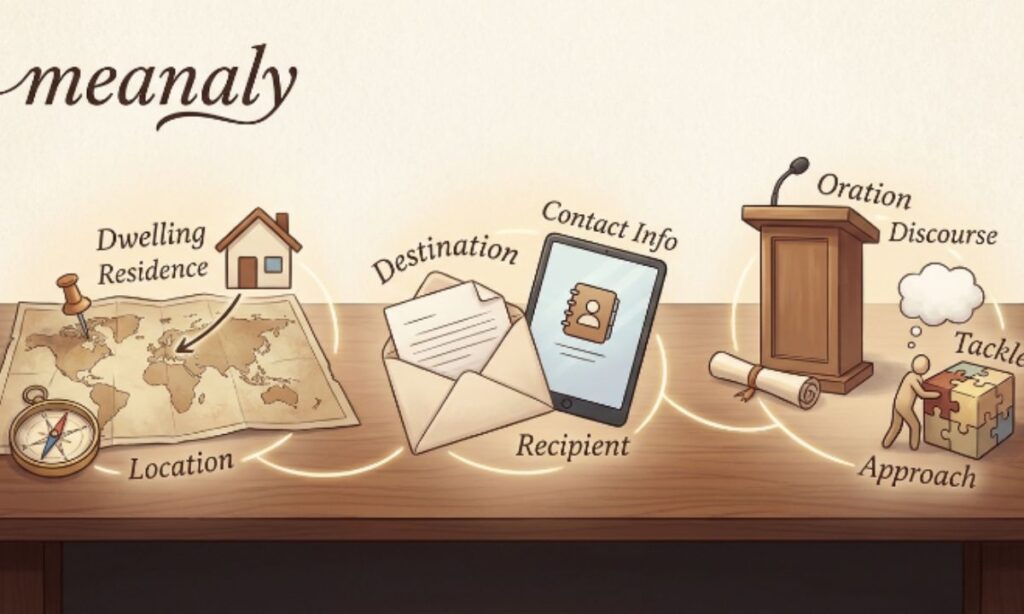
- Location
- Residence
- Mailing details
- Domicile
- Postal information
Address or Adress in english
In standard English, only “address” is recognized as correct – across dictionaries, grammar guides, and style manuals. “Adress” does not appear as an accepted alternate spelling in any major English dictionary.
Address or Adress pronunciation
“Address” is pronounced uh-DRES (/əˈdrɛs/), with the stress on the second syllable. The pronunciation is identical regardless of whether it’s used as a noun or a verb.
Address or Adress grammar
Grammatically, “address” can function as either a noun (a location, or a formal speech) or a verb (to deal with something, or to write directions on mail). “Adress” is not a recognized word in either role — it’s always treated as a spelling error, not a grammatical variant.
Adress or address for location
When referring to a physical location : home, business, or mailing point -the correct spelling remains “address.” This applies the same way whether you’re writing a shipping label, a form, or a casual text.
Address verb

As a verb, “address” means to speak to someone directly, to deal with a problem, or to write delivery details on an item:
- The teacher will address the class.
- We need to address this issue before the deadline.
- Please address the package to the correct department.
Frequently Asked Questions
How do I find the correct format for a US mailing address?
A standard US format includes the recipient’s name, street address, city, state abbreviation, and ZIP code on separate lines.
What is the correct spelling, address or adress?
“Address” is correct; “adress” is always a misspelling.
How to properly format a US mailing address?
Write the name on the first line, street address on the next, then city, state, and ZIP code on the final line.
Where can I look up an address to check property details?
County assessor websites and official mapping tools like Google Maps or USPS ZIP code lookup can help verify property and address details.
Where can I update my postal address with government agencies?
Most agencies allow address updates through their official websites, in-person offices, or by mail using their specific change-of-address forms.
What are the requirements for a valid shipping address?
A valid shipping address needs a recipient name, street number and name, city, state or region, and an accurate postal code.
Last Words
The rule here is simple and permanent: it’s always “address,” never “adress.” The double “d” comes straight from the word’s French origin, and it doesn’t change between British and American English or shift with context.
Once you lock in that one small detail, you’ll never second-guess this spelling again — whether you’re filling out a form, writing an email, or addressing an envelope.

Hi , I’m a language researcher and content writer with 6+ years of experience in word meanings, slang, abbreviations, and internet terminology. He writes clear, accurate, and easy-to-understand articles to help readers quickly find reliable definitions and understand modern language with confidence.