
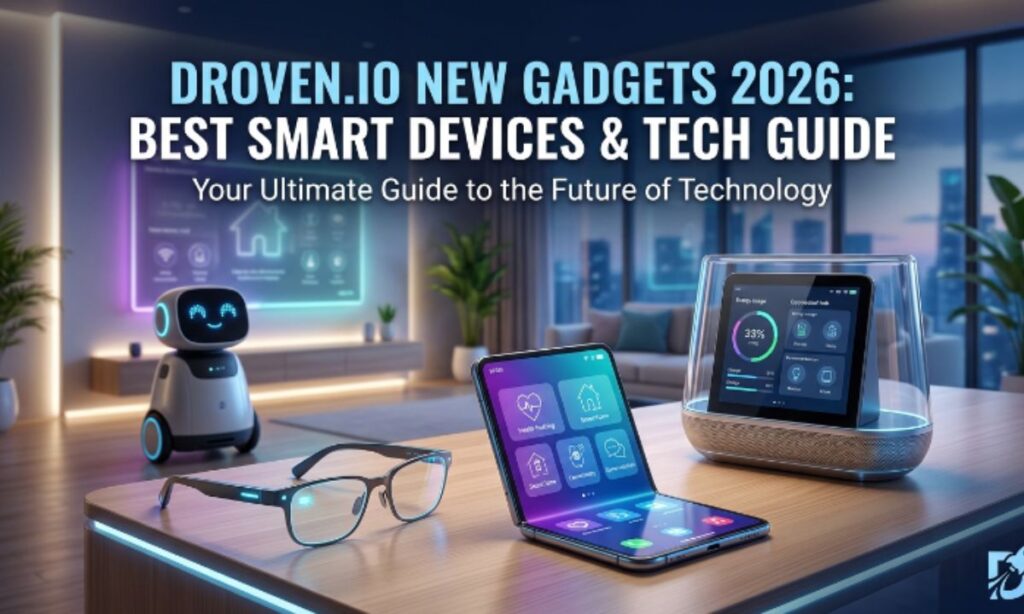
Technology moved fast in 2026. Smart glasses got lighter, wearables got smarter, and AI stopped being a buzzword and started actually running our homes, offices, and health routines. Droven.io helps you make sense of which gadgets are worth your money this year, and this guide breaks it all down — no fluff, just what matters.
Whether you’re a gadget lover, a first-time buyer, or someone upgrading old tech, here’s everything you need to know about the best smart devices of 2026, including the latest trends and innovations featured by Droven.io.
The Rise of AI Integration in Everyday Gadgets
AI isn’t a separate feature anymore — it’s baked into almost every device category.
- Smart assistants now understand context across conversations, not just single commands.
- Cameras and sensors use on-device AI to recognize objects, faces, and routines without sending data to the cloud.
- Predictive automation means your devices start anticipating needs — adjusting lighting, temperature, or notifications before you ask.
This shift toward on-device AI (rather than cloud-only processing) is one of the biggest changes in 2026 gadgets. It means faster response times, better privacy, and gadgets that work even without a stable internet connection.
Top Wearable Innovations Highlighted in Droven.io New Gadgets 2026

Wearables have quietly become the most personal category of tech. This year’s standout trends include:
- Multi-sensor health tracking — heart rate, blood oxygen, skin temperature, and stress markers in a single band.
- Battery life breakthroughs — several new smartwatches now last 7–10 days on a single charge.
- AI coaching features — wearables that don’t just log data but suggest actionable changes (sleep timing, recovery days, hydration reminders).
- Discreet designs — rings and clip-on trackers are gaining ground against traditional wrist wearables.
The takeaway: wearables in 2026 aren’t just fitness trackers. They’re becoming personal health assistants.
Smart Glasses and Augmented Reality Breakthroughs

Smart glasses had a genuine breakout year. Instead of bulky AR headsets, manufacturers focused on everyday-wearable designs.
What’s new:
- Lighter frames that look like regular eyewear
- Built-in cameras and microphones for hands-free capture
- Real-time translation displayed directly in your field of view
- Voice-first navigation without needing to check your phone
AR is finally moving from “cool demo” to “genuinely useful tool,” especially for travel, accessibility, and hands-free work tasks like repairs or cooking.
Revolutionary Smart Home Devices for Modern Living
Smart homes in 2026 are less about individual gadgets and more about ecosystems that talk to each other.
| Device Type | Key 2026 Upgrade | Best For |
| Smart thermostats | Predictive climate control | Energy savings |
| Smart locks | Facial + voice recognition | Home security |
| Robot vacuums | Room-mapping with obstacle memory | Busy households |
| Smart lighting | Mood-based automation | Comfort & ambiance |
| Smart plugs | Usage analytics | Energy monitoring |
The biggest shift: cross-brand compatibility. Thanks to unified smart home standards, most new devices now work together regardless of manufacturer — something that was a major pain point in previous years.
AI-Powered Productivity Gadgets Transforming Work

Work-from-anywhere culture pushed a new wave of productivity gadgets:
- AI note-taking devices that transcribe, summarize, and organize meetings automatically
- Smart desk setups with adjustable lighting and posture reminders
- Portable AI translators for global remote teams
- Focus-tracking wearables that flag distraction patterns during work hours
These gadgets aren’t flashy, but they solve real problems — especially for hybrid and remote workers juggling multiple tools.
Health and Wellness Gadgets Leading the Way
Health tech had one of the strongest years yet. Standout categories include:
- Sleep optimization devices — smart mattresses and pillows that adjust temperature and firmness in real time
- At-home health scanners — compact devices offering basic vitals screening
- Mental wellness tools — wearables that track stress patterns and suggest breathing exercises
- Smart water bottles — hydration tracking synced with activity levels
The common thread? Prevention over reaction. These gadgets are designed to catch small issues before they become bigger problems.
Gaming and Entertainment Gadgets for Immersive Experiences
Gaming tech leaned heavily into immersion this year:
- Lighter VR headsets with improved field of view
- Haptic feedback gear that simulates touch and resistance
- Cloud gaming devices requiring minimal local hardware
- AI-driven NPCs that adapt to player behavior in real time
For entertainment, streaming devices also got smarter, with AI-based content recommendations that actually improve over time instead of repeating the same suggestions.
Eco-Friendly and Sustainable Tech Options
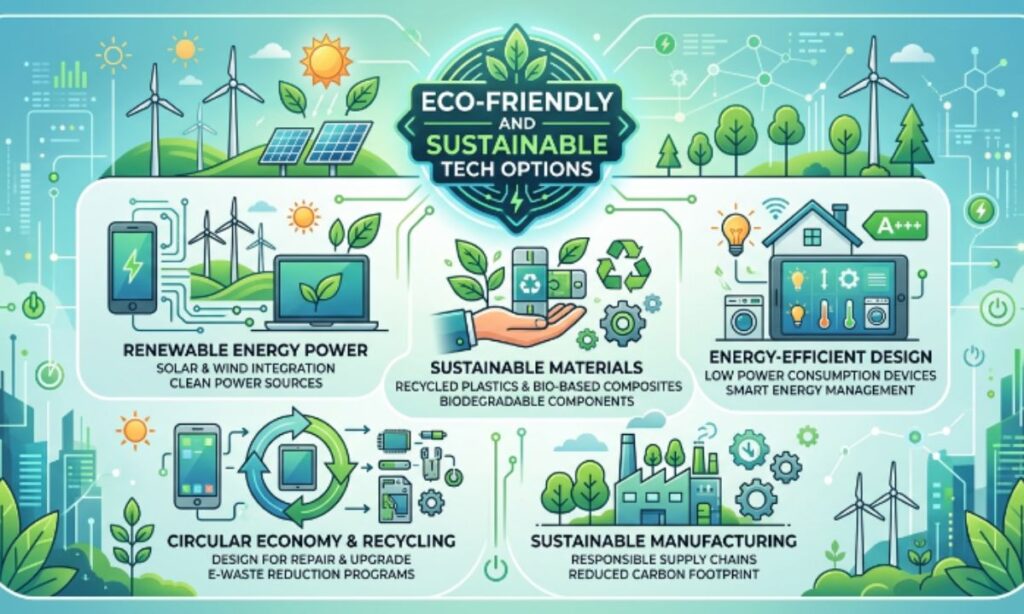
Sustainability became a real buying factor, not just marketing language.
- Solar-charging wearables and accessories
- Modular gadgets designed for easy repair instead of replacement
- Recycled materials in device casings and packaging
- Energy-efficient chips that reduce power draw without sacrificing performance
For eco-conscious buyers, checking a brand’s repairability score and materials sourcing is becoming as important as checking specs.
Security and Privacy Features in Modern Gadgets
With more AI comes more scrutiny around data. The gadgets earning trust in 2026 share a few traits:
- On-device processing instead of constant cloud uploads
- Transparent data controls — clear settings for what’s tracked and shared
- Biometric security — fingerprint and face recognition as standard, not premium features
- Regular firmware updates addressing vulnerabilities quickly
If privacy matters to you, always check whether a device processes data locally or relies heavily on cloud servers.
Comparing Budget vs Premium Devices in 2026
| Factor | Budget Devices | Premium Devices |
| Price Range | Affordable, entry-level | Higher upfront cost |
| Build Quality | Good, but less durable | Premium materials |
| AI Features | Basic automation | Advanced, adaptive AI |
| Battery Life | Average | Often longer-lasting |
| Support & Updates | Limited | Long-term software support |
| Best For | First-time buyers | Tech enthusiasts, professionals |
Bottom line: budget gadgets are great for testing a category before committing, while premium options make more sense if you plan to rely on the device daily.
Future Trends Beyond 2026 Inspired by Current Releases
Looking ahead, a few directions seem clear:
- Ambient computing — technology that works in the background without dedicated screens
- Longer-lasting batteries using next-gen materials
- Deeper cross-device AI memory — your devices remembering preferences across brands
- Health-focused implantable and near-body tech becoming more mainstream
Expect gadgets to become less about individual devices and more about invisible, connected systems.
How to Choose the Right Gadgets for Your Lifestyle?
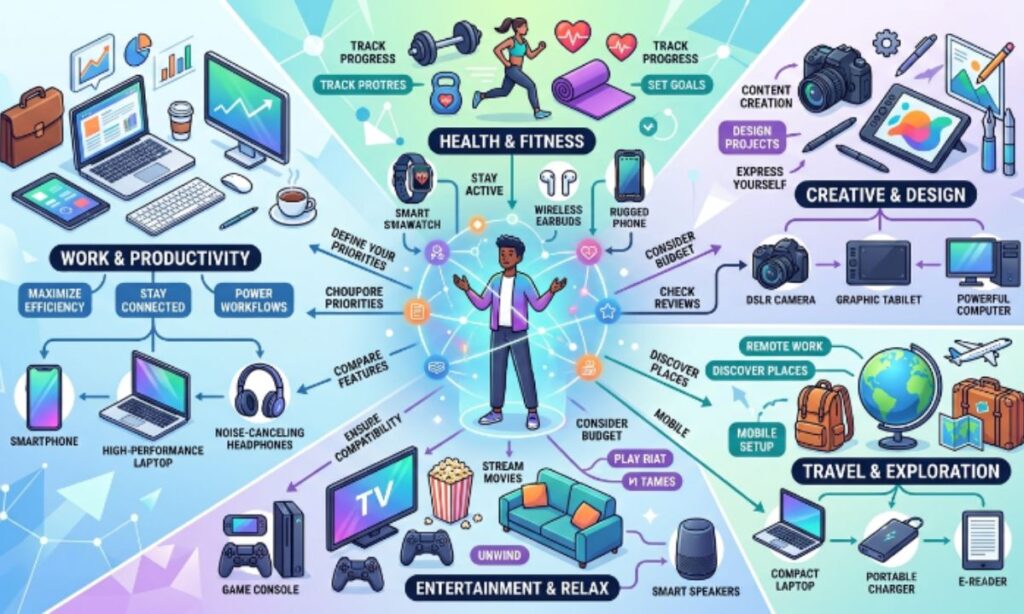
Before buying anything, ask yourself:
- What problem am I actually solving? Don’t buy hype — buy solutions.
- Will it work with what I already own? Compatibility matters more than specs.
- How long will it stay useful? Check update support timelines.
- Do I need premium features, or just reliability? Budget options are often enough.
- Does it respect my privacy? Check data policies before purchasing.
The Impact of New Gadgets on Daily Life
The best gadgets in 2026 share one thing in common: they save time and reduce friction. From health monitoring to hands-free navigation, this year’s tech is less about novelty and more about quietly making daily life easier — often without you noticing how much you’ve come to rely on it.
Exploring Specific Standout Models in Depth
While exact models and pricing shift quickly, the standout categories worth researching individually include:
- Lightweight AR smart glasses with translation features
- Multi-day battery smartwatches with AI health coaching
- Modular, repairable smartphones
- Whole-home smart hubs with unified app control
Always compare recent hands-on reviews before buying, since software updates can significantly change a device’s performance after launch.
Challenges and Considerations for Adopting New Tech
New tech isn’t without trade-offs:
- Learning curve — advanced features take time to master
- Cost of ecosystem lock-in — some brands make switching difficult
- Data privacy trade-offs — more features often mean more data collection
- E-waste concerns — frequent upgrades contribute to environmental impact
Being a smart buyer means weighing convenience against these long-term costs.
Community and Expert Opinions
Across tech communities and reviewer circles, a consistent theme has emerged: buyers are prioritizing longevity and software support over raw specs. Enthusiasts increasingly recommend waiting for a second or third generation of a device category before buying in, once early bugs are ironed out and pricing becomes more competitive.
Expanding Horizons with Emerging Categories
A few emerging categories to watch:
- AI-powered accessibility devices for vision and hearing support
- Smart textiles — clothing with embedded sensors
- Personal AI companions for scheduling and daily planning
- Compact home energy storage paired with smart monitoring
Maintenance, Updates, and Longevity Tips
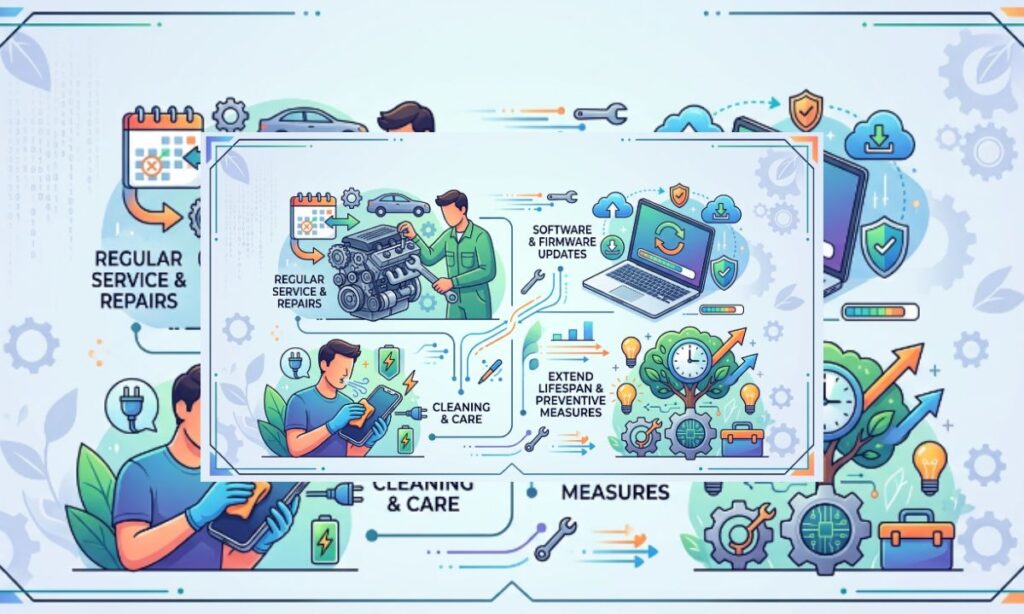
To get the most out of any gadget:
- Keep firmware and software updated regularly
- Clean sensors and charging ports to avoid connectivity issues
- Check manufacturer support timelines before buying
- Use official chargers and accessories to protect battery health
- Back up data before major software updates
Global Accessibility and Market Trends
Availability and pricing still vary significantly by region. Generally:
- North America and parts of Asia see the earliest device launches.
- Europe often follows shortly after, with regional pricing and compliance adjustments.
- Emerging markets are increasingly prioritized by manufacturers offering mid-range AI devices at lower price points.
If you’re shopping globally, comparing regional pricing before purchasing imported gadgets can save a meaningful amount.
Conclusion
2026 has been a defining year for smart technology — AI is no longer an add-on but the backbone of how gadgets function. From wearables and smart glasses to home automation and productivity tools, the best devices this year share a common thread: they solve real problems, respect user privacy, and adapt intelligently to how people actually live and work.
Whether you’re picking your first smartwatch or upgrading your entire smart home setup, the key is choosing gadgets that fit your lifestyle — not just the ones with the flashiest spec sheet.
Frequently Asked Questions
What services are offered by Droven.io?
This guide focuses on curated tech coverage — gadget breakdowns, comparisons, and buying advice across wearables, smart home devices, and AI-powered tools.
What is a platform designed for automated data processing?
That typically refers to software that collects, cleans, and analyzes data with minimal manual input — common examples include workflow automation and business intelligence tools, which are a separate category from consumer gadgets.
How does a workflow optimization service improve business efficiency?
It reduces repetitive manual tasks by automating data entry, approvals, and reporting, freeing up teams to focus on higher-value work.
Best alternatives for fleet management tools?
Fleet management isn’t covered in this gadget guide — for that category, look at dedicated telematics and logistics platforms rather than consumer tech reviews.
Where can I find customer reviews of tech gadgets?
Check verified retailer reviews, independent tech publications, and hands-on video reviews for the most reliable, unbiased feedback.
What are the typical features of a modern business intelligence tool?
Most BI tools include data visualization dashboards, real-time reporting, predictive analytics, and integrations with existing business software — again, a separate category from the consumer gadgets covered here.

Hi , I’m a language researcher and content writer with 6+ years of experience in word meanings, slang, abbreviations, and internet terminology. He writes clear, accurate, and easy-to-understand articles to help readers quickly find reliable definitions and understand modern language with confidence.